
Health check
Individual health check in Munich
A health check combines medical history, physical examination and risk-appropriate investigations. It aims to identify relevant changes early and derive specific steps for prevention, exercise and further treatment.
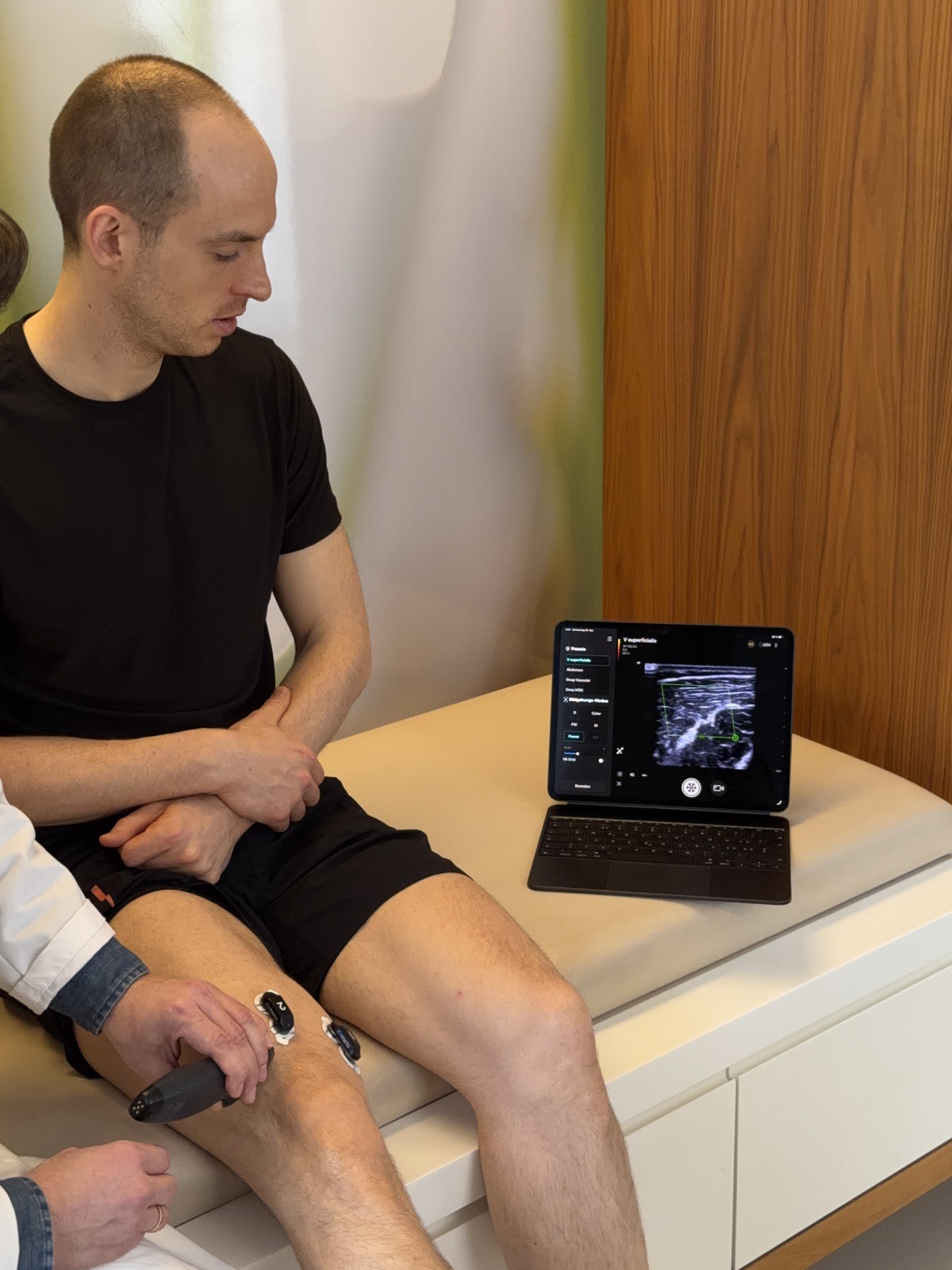
At a glance
What matters for this decision.
- Consider age, symptoms and family history
- Do not replace established prevention with trends
- Prioritize findings by urgency
- Avoid unnecessary follow-up tests by defining clear indications
Decision guide
Four points to discuss before deciding.
Use these points to prepare the question you want a second opinion to clarify.
- 01
Starting point
Consider age, symptoms and family history
- 02
Available information
Do not replace established prevention with trends
- 03
Options
Prioritize findings by urgency
- 04
Next step
Avoid unnecessary follow-up tests by defining clear indications
Before the check
Your history guides the examination.
Previous findings, medications, vaccination status, past illnesses and symptoms often provide more direction than an untargeted laboratory panel. Daily demands, activity, sleep and familial risks are also part of the assessment.
After the check
Not every abnormal value is a diagnosis.
Borderline readings can be affected by measurement conditions and individual factors. An unusual value therefore requires interpretation: repeat it, investigate further, treat it or deliberately monitor it.
A meaningful selection
Measure what can improve a decision.
For a health check, the choice of investigations depends on your history, current training, symptoms and personal goal. More data are not automatically better; what matters is whether a result is understandable, reliable and useful in practice.
Measurements are therefore not assessed in isolation. Progress over time, day-to-day condition, training phase, medications and methodological limitations all need to be considered before a recommendation is made.
Your result
Turn information into an actionable next step.
At the end, it should be clear which questions have been answered reliably, what uncertainty remains and what follows from that. The next step may be an adjustment to training, further investigations, targeted treatment or, initially, monitored observation.
A good plan can be reviewed: goals, a timeframe and criteria for progress are defined in advance. This ensures that an examination or consultation is connected to what happens next.
Common questions
Answers to common questions.
Is a health check useful only when symptoms are present?
No. Preventive care also serves people without symptoms. Its scope and intervals depend on age, risk and applicable screening recommendations.
Are more laboratory measurements better?
Not automatically. The more values measured without a specific question, the greater the chance of incidental abnormalities without a clear health benefit.
Author and medically responsiblePD Dr. med. Daniel P. BertholdSpecialist in Orthopaedics and Trauma SurgeryUpdated
Next step
Which performance or prevention question should the program answer?
Describe the goal and current training or health context. The inquiry can then be matched to the appropriate performance or prevention offer.