
Prevention after 40
Preventive health after 40 in Munich
Prevention after 40 combines age- and risk-appropriate preventive care with muscle strength, endurance, metabolic health and good recovery. Consistent foundations and targeted assessment of personal risks usually offer the greatest benefit.
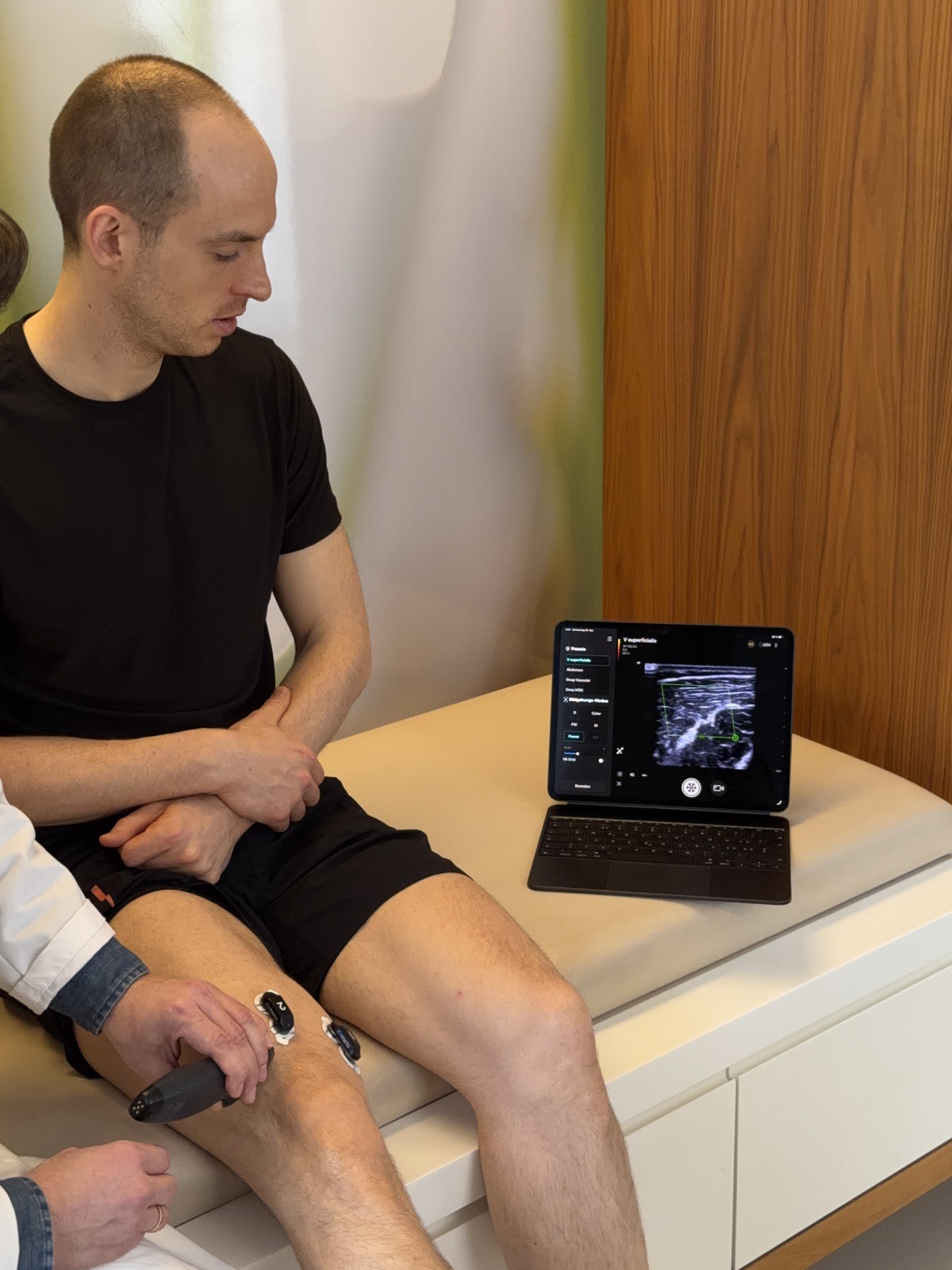
At a glance
What matters for this decision.
- Follow established screening intervals
- Actively maintain strength and endurance
- Know your blood-pressure and metabolic risks
- Do not dismiss symptoms as an inevitable consequence of age
Decision guide
Four points to discuss before deciding.
Use these points to prepare the question you want a second opinion to clarify.
- 01
Starting point
Follow established screening intervals
- 02
Available information
Actively maintain strength and endurance
- 03
Options
Know your blood-pressure and metabolic risks
- 04
Next step
Do not dismiss symptoms as an inevitable consequence of age
Health resources
Function remains trainable.
Strength training, regular endurance exercise and sufficient daily activity protect different aspects of health. Starting does not need to be spectacular; it should match your current capacity and become sustainable over time.
Individual prevention
Family history and life history change priorities.
Previous illnesses, medication, blood pressure, metabolic health and family risks determine which additional checks may be useful. General anti-aging packages do not replace this individual weighting.
A meaningful selection
Measure what can improve a decision.
For prevention after 40, the choice of investigations depends on your history, current training, symptoms and personal goal. More data are not automatically better; what matters is whether a result is understandable, reliable and useful in practice.
Measurements are therefore not assessed in isolation. Progress over time, day-to-day condition, training phase, medications and methodological limitations all need to be considered before a recommendation is made.
Your result
Turn information into an actionable next step.
At the end, it should be clear which questions have been answered reliably, what uncertainty remains and what follows from that. The next step may be an adjustment to training, further investigations, targeted treatment or, initially, monitored observation.
A good plan can be reviewed: goals, a timeframe and criteria for progress are defined in advance. This ensures that an examination or consultation is connected to what happens next.
Common questions
Answers to common questions.
Which investigation matters most after 40?
The answer cannot be reduced to one test. Established screening programs, personal risks and symptoms together determine the priorities.
Is it too late to start strength training without previous experience?
No. A technically sound, gradual introduction is possible at many stages of life and can improve strength, function and independence.
Author and medically responsiblePD Dr. med. Daniel P. BertholdSpecialist in Orthopaedics and Trauma SurgeryUpdated
Next step
Which performance or prevention question should the program answer?
Describe the goal and current training or health context. The inquiry can then be matched to the appropriate performance or prevention offer.